

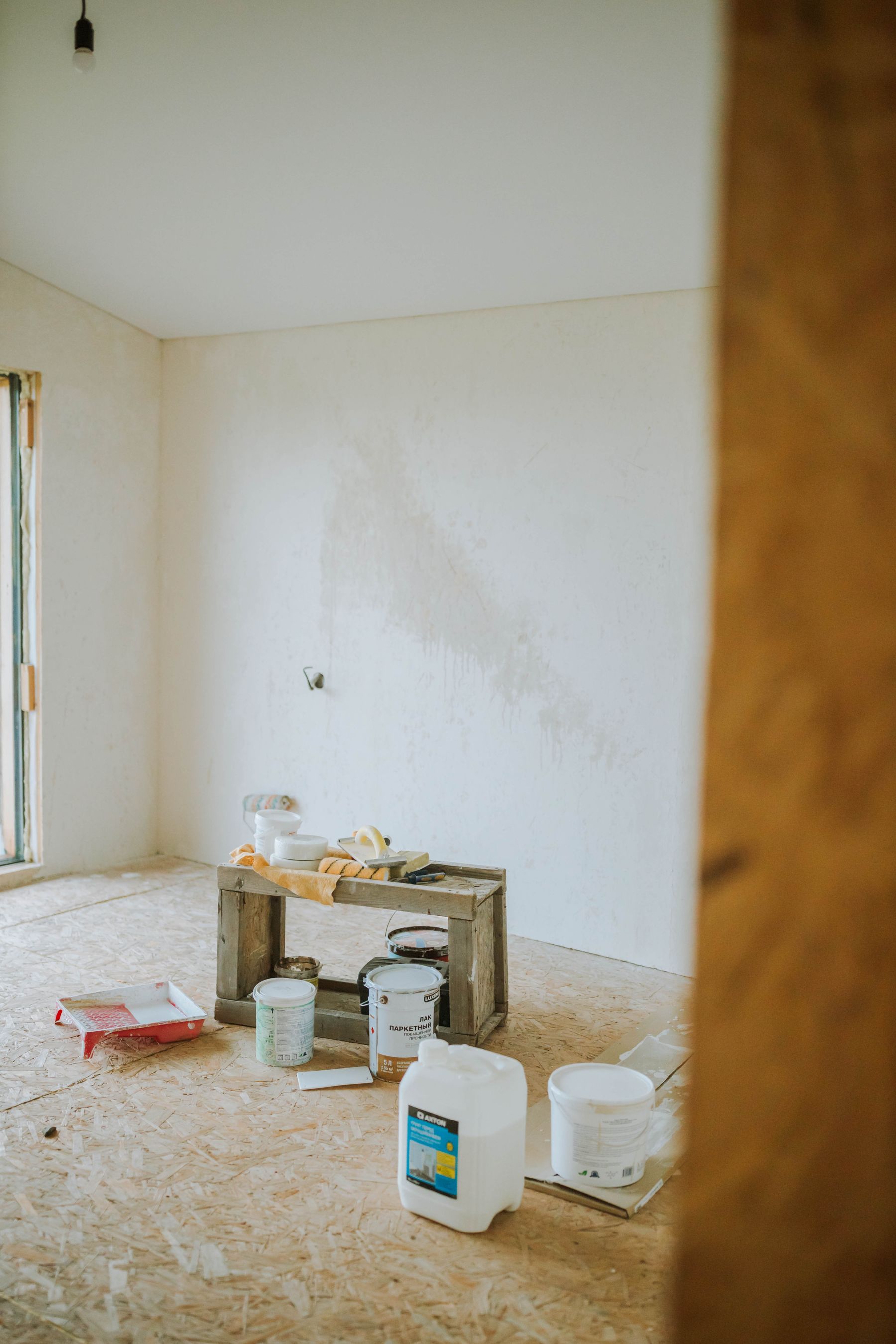
Even small DIY work benefits from documenting the in-between stage; paint, tools and unfinished details make progress easier to see later.
Open post →Explore Stuvii
Discover people, spaces, and the stories being built inside them.
Stories
Even small DIY work benefits from documenting the in-between stage; paint, tools and unfinished details make progress easier to see later.
Open post →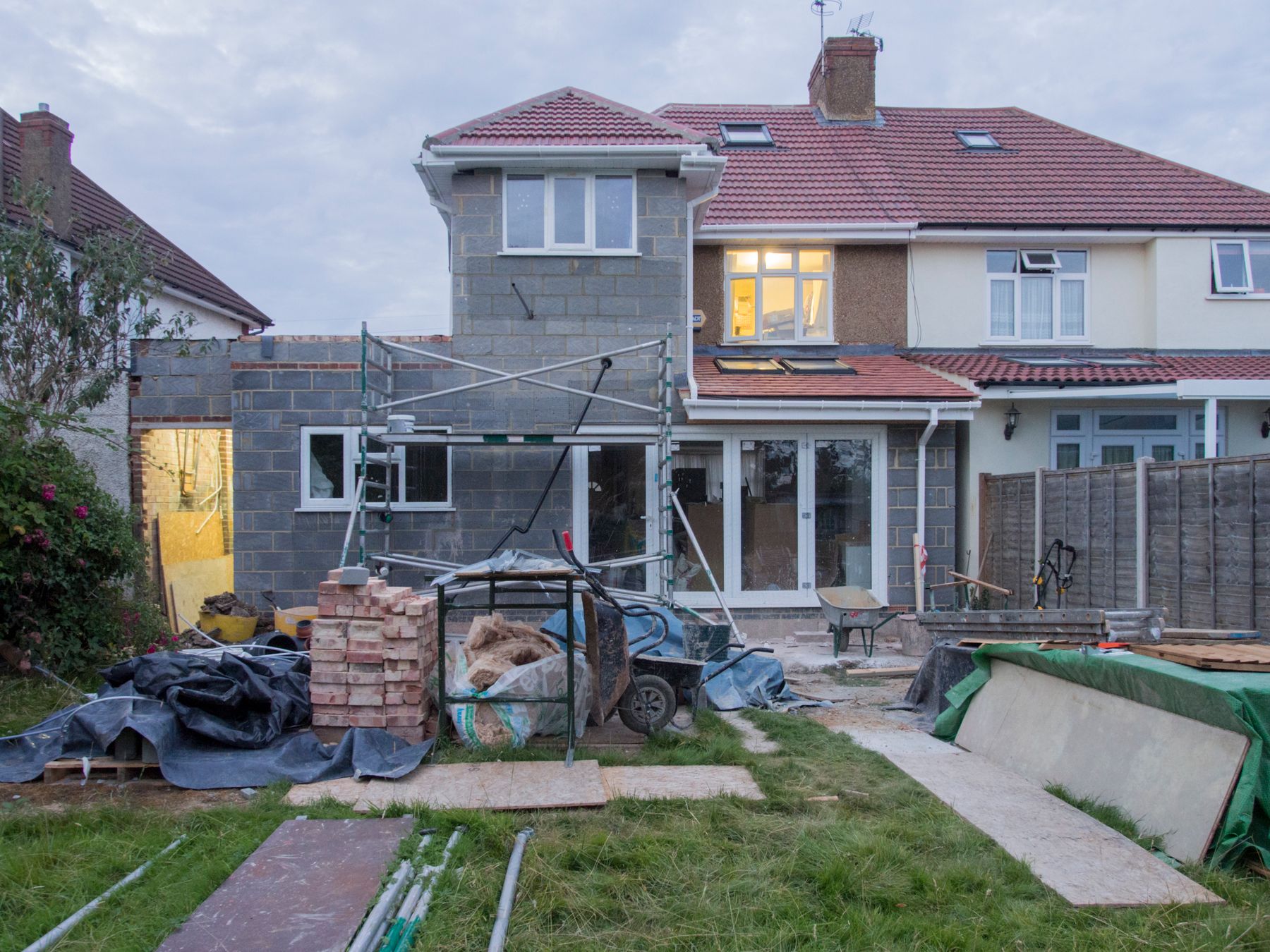
Exterior renovation changes how a home meets the garden, so it is worth documenting the messy structural stage too.
Open post →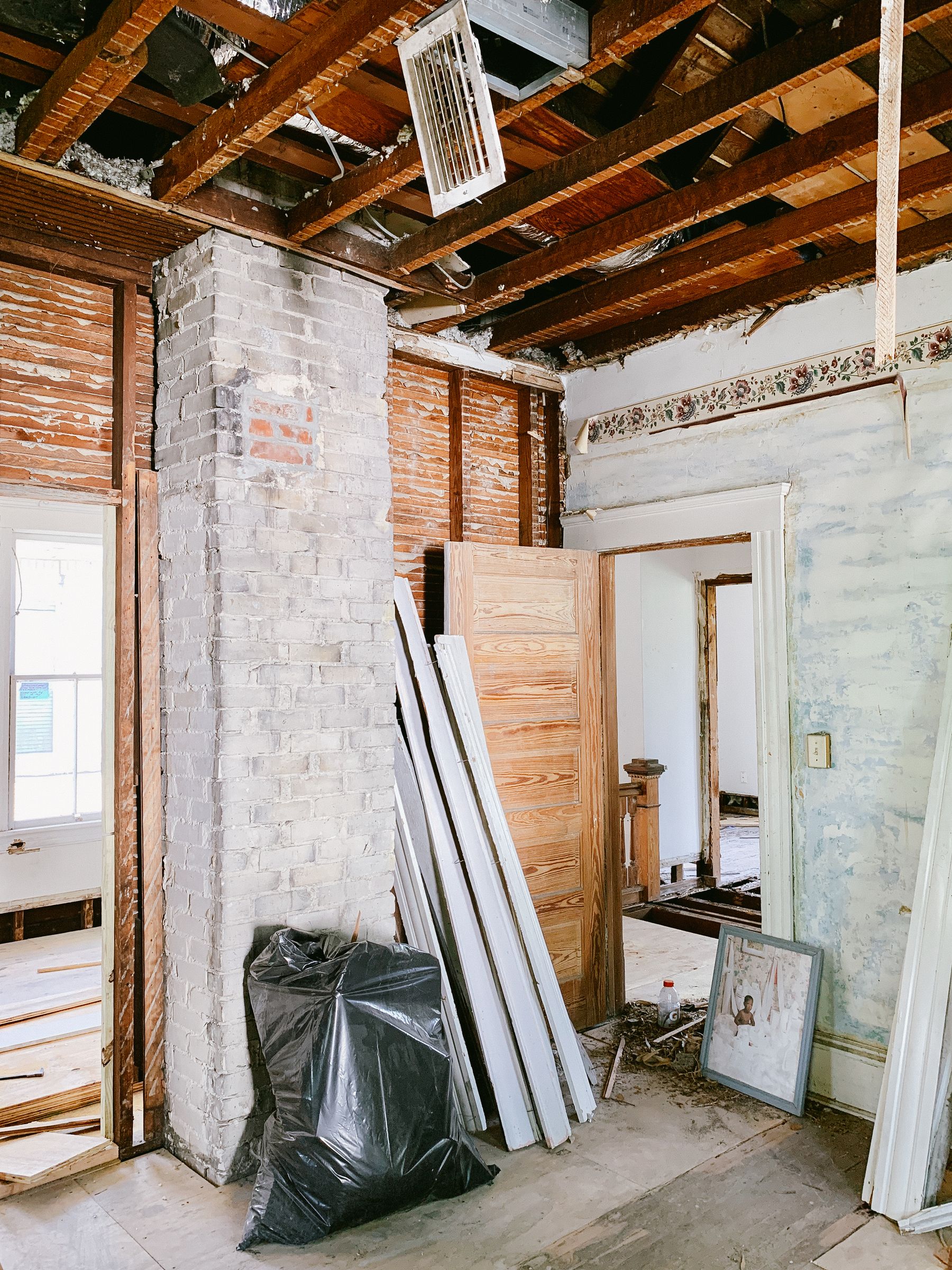
Keeping existing beams visible can preserve the character of an older home while everything around them is rebuilt.
Open post →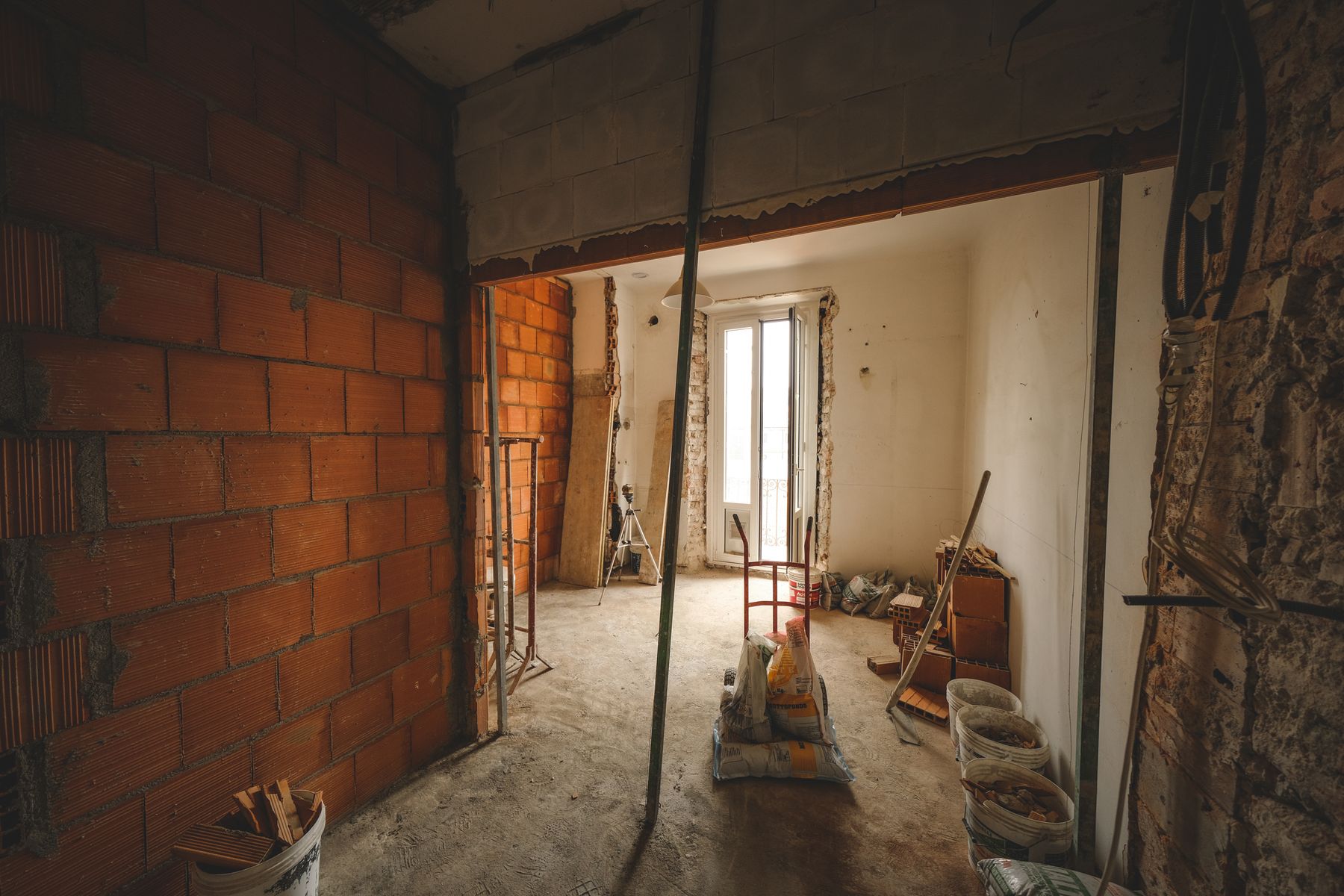
Exposed brick and unfinished surfaces make the middle of a renovation look dramatic, but this is where most layout decisions become real.
Open post →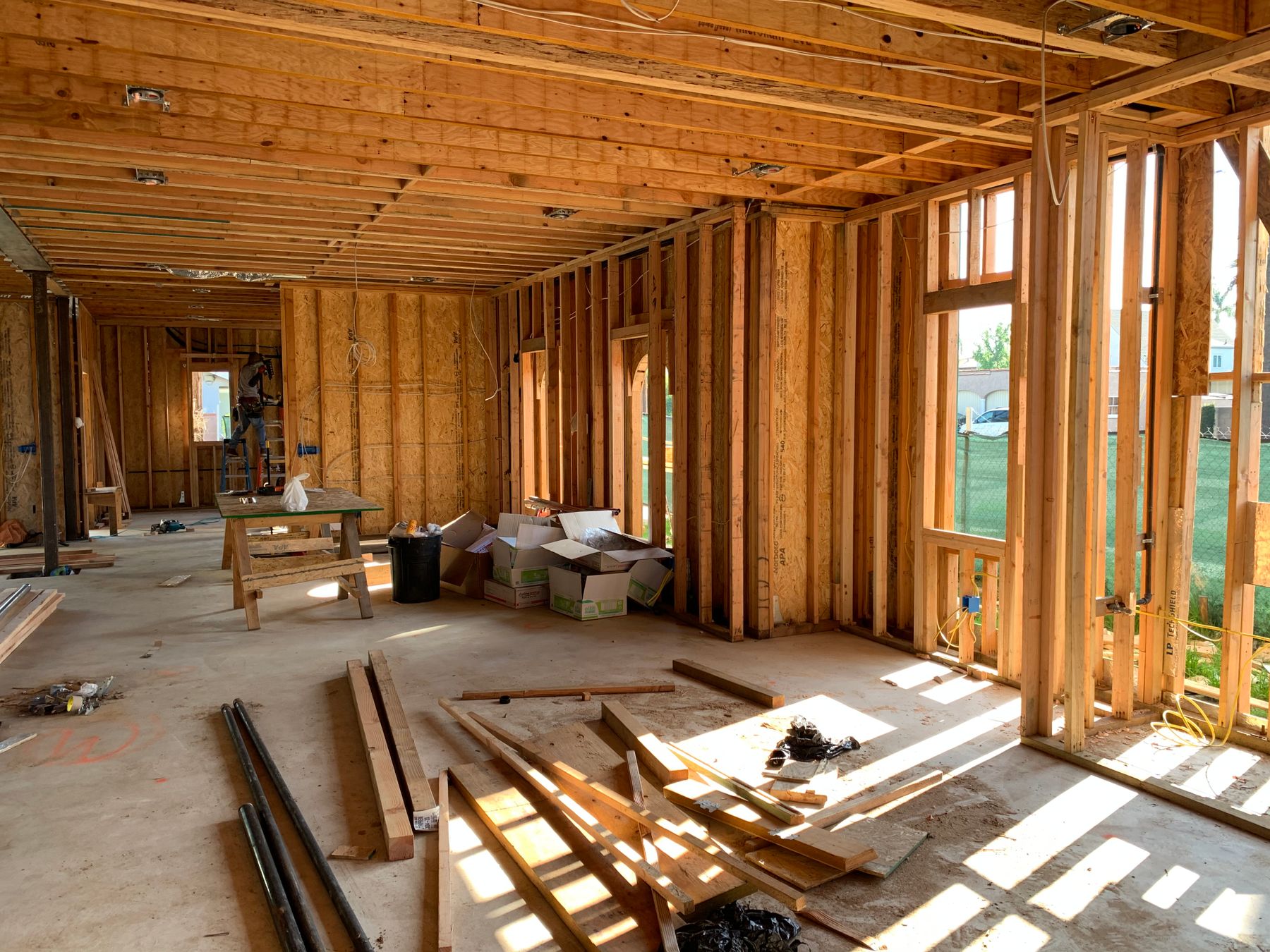
This stage is messy but useful to document: framing shows where the future rooms actually begin to take shape.
Open post →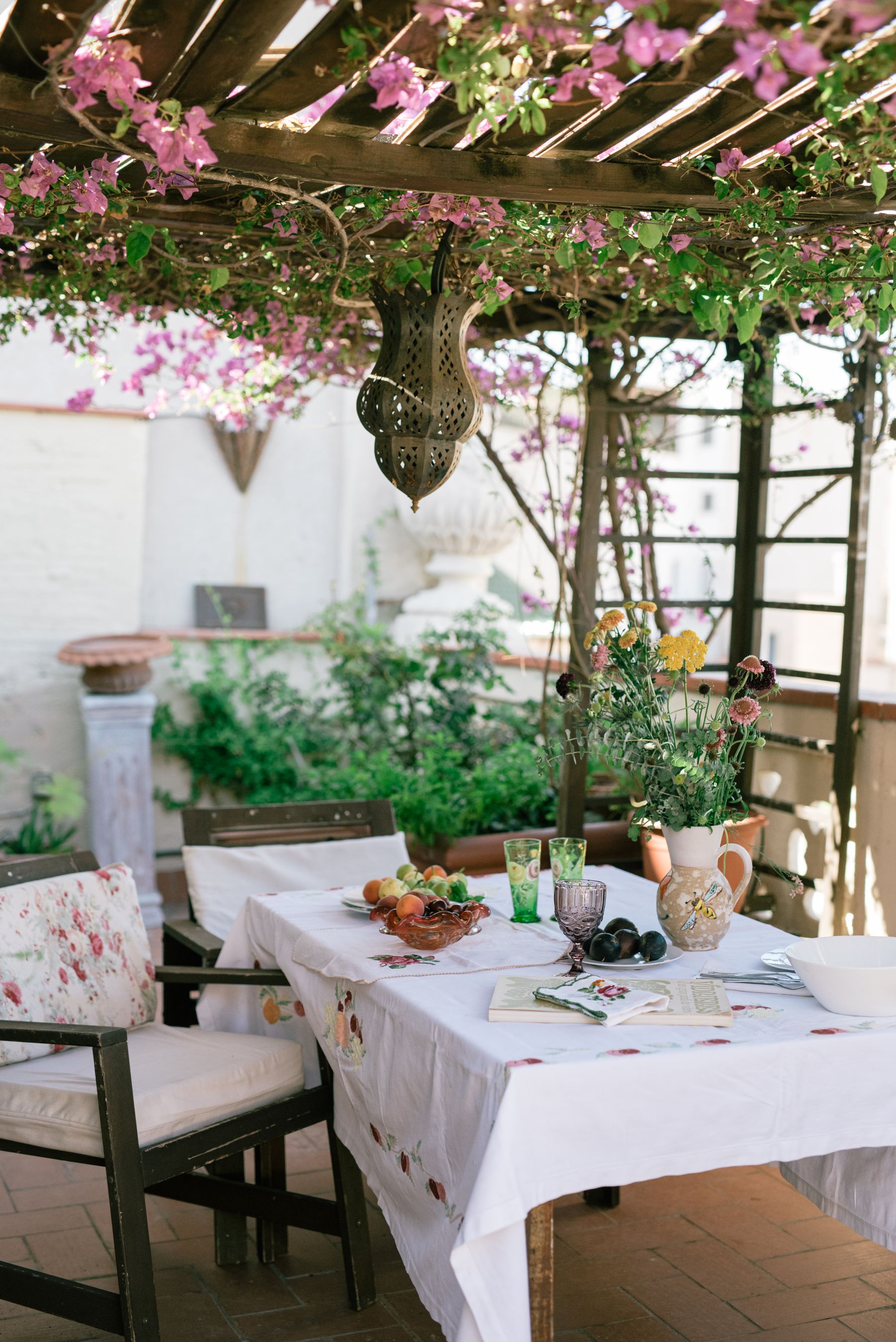
The most inviting gardens are not always the neatest—layers of planting, shade and an actual place to sit matter more.
Open post →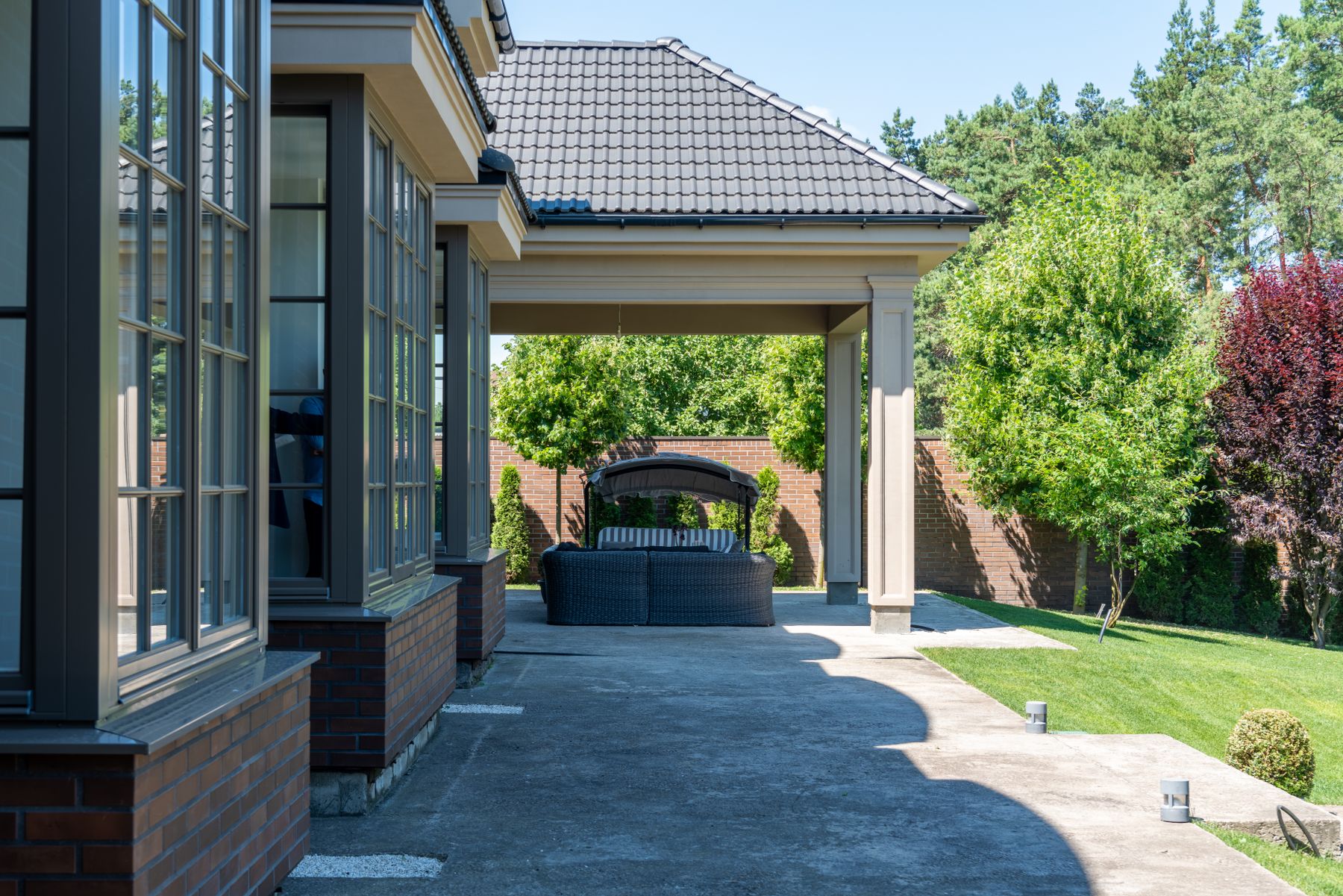
A covered patio earns its footprint when it works in more than perfect weather and stays directly connected to everyday living.
Open post →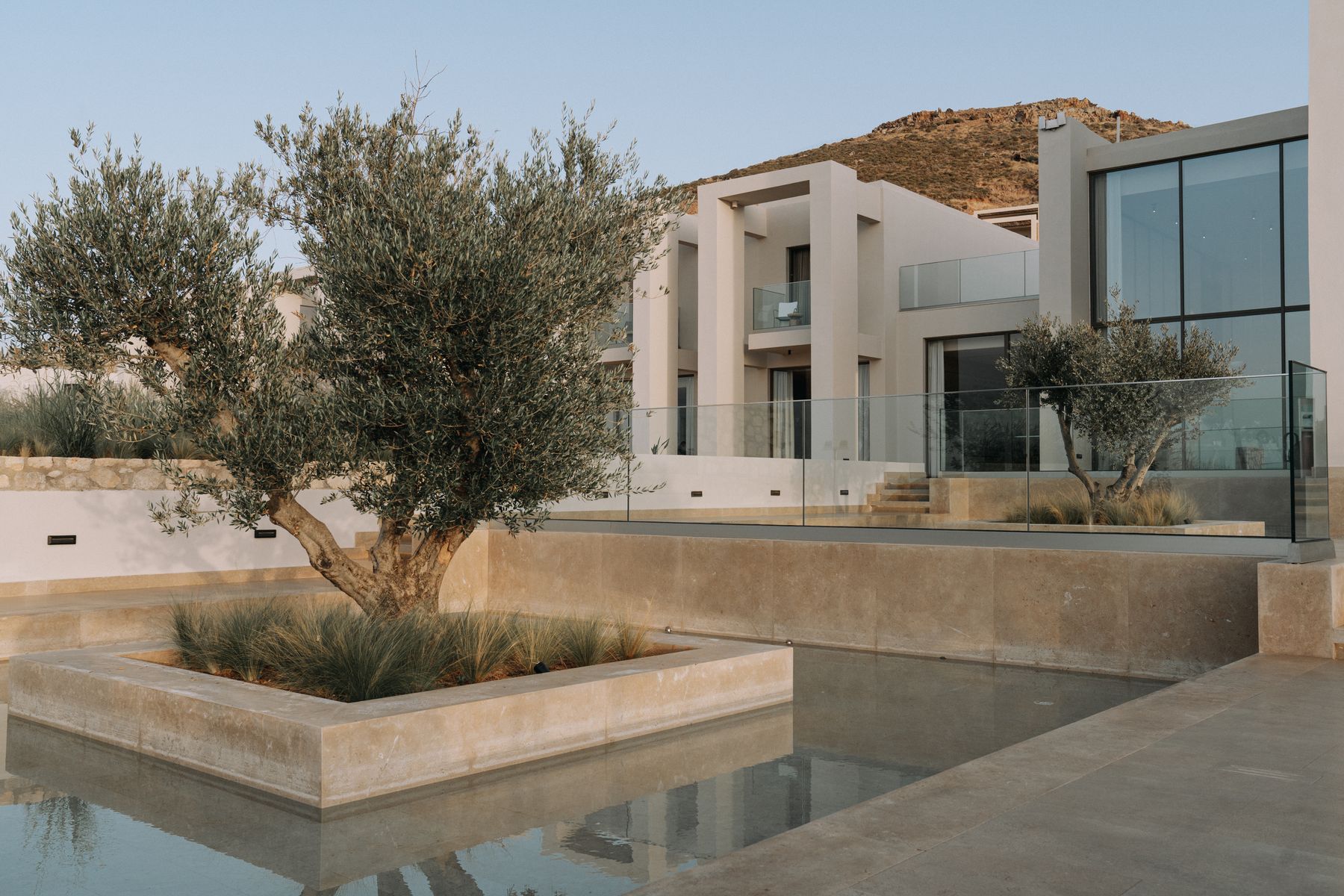
Glass, landscaping and a strong horizontal composition make the architecture feel tied to the site instead of placed on top of it.
Open post →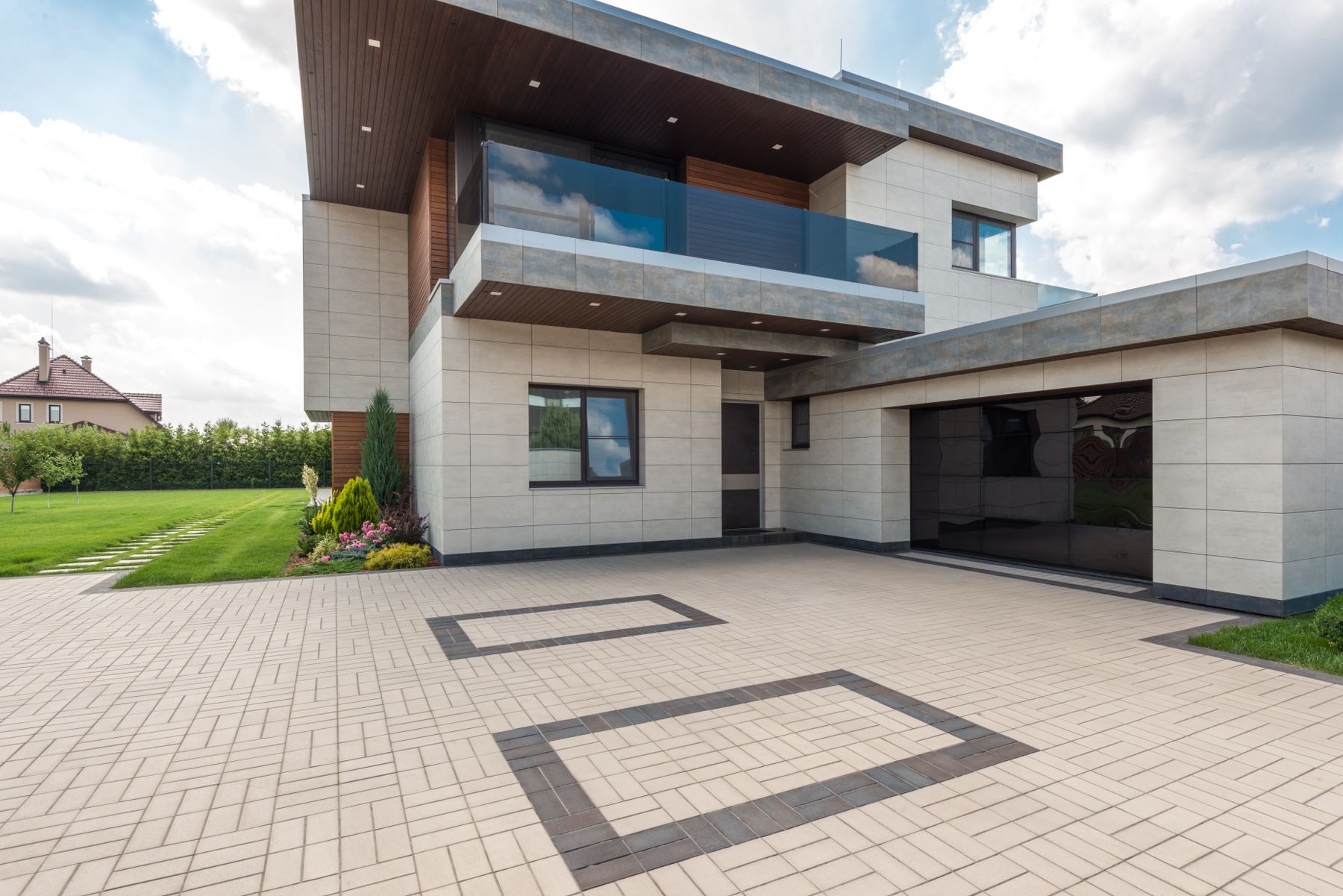
The strongest part of this facade is the restraint: simple volumes, limited materials and no unnecessary gestures.
Open post →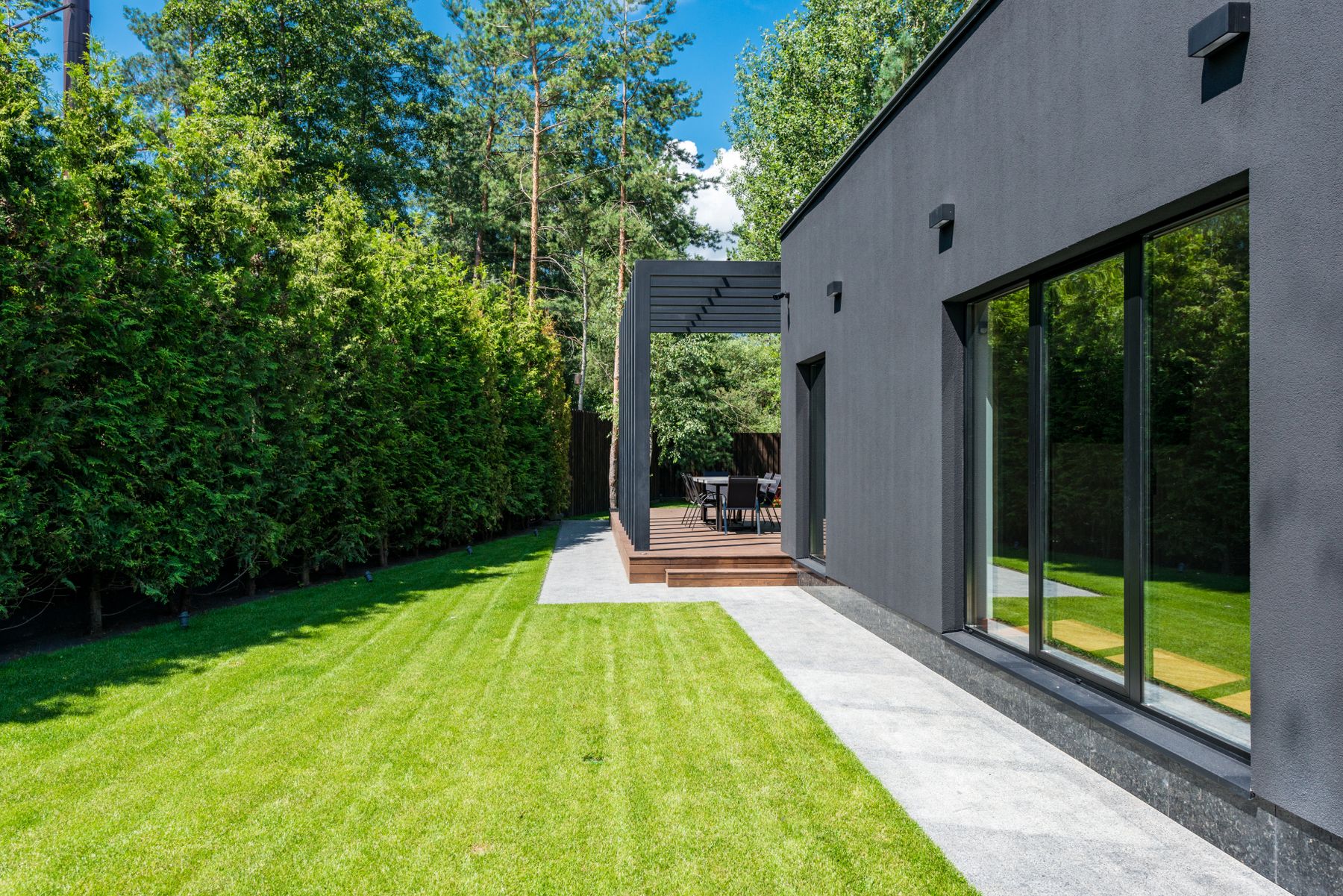
Outdoor seating close to the house makes the garden feel like another room rather than something viewed through glass.
Open post →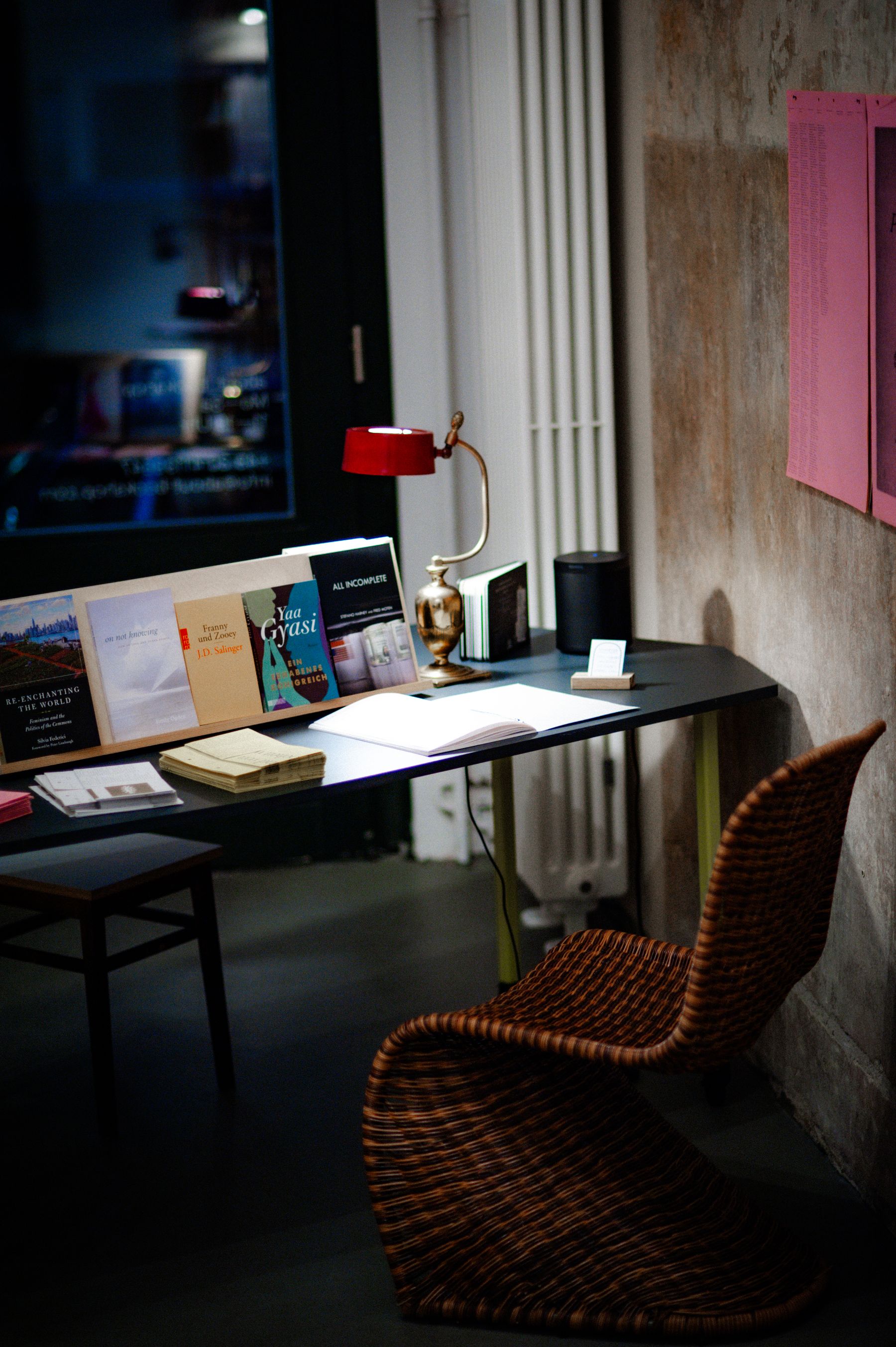
A warm reading-and-work corner can make an awkward attic edge useful instead of treating it as leftover space.
Open post →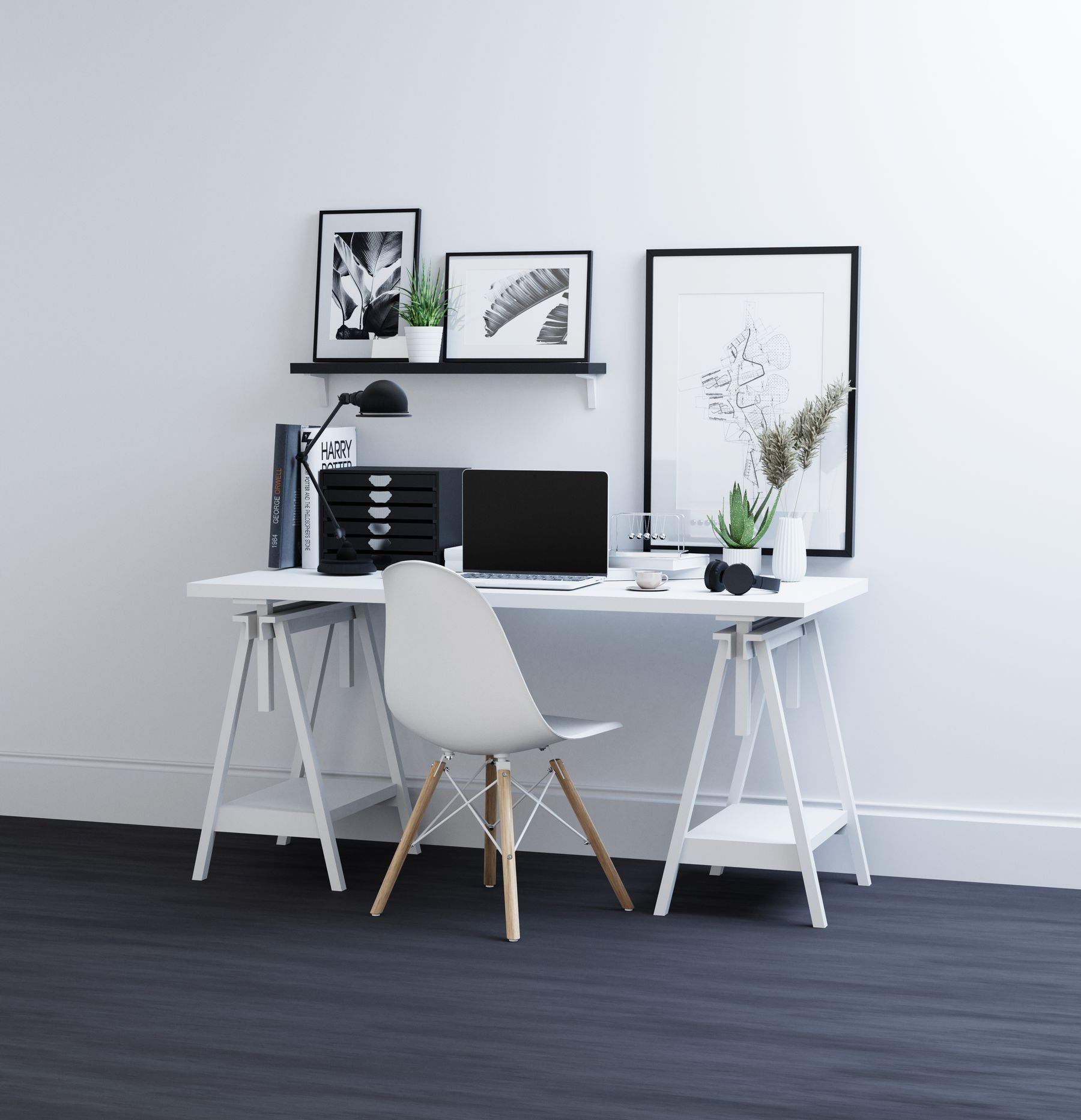
For a tiny workspace, reducing visual weight matters more than adding storage everywhere. The desk almost disappears when not in use.
Open post →